At 180 kilograms and barely 180 centimeters tall。Adebayo Akinfenwa defies every conventional metric of the modern striker. Yet his career—spanning over two decades across English football's lower leagues—is a case study in how physical presence, when paired with sharp self-awareness, can carve out a niche no data model predicts. Wycombe Wanderers' promotion to the Championship in 2020 was punctuated by his late-season goals, but the real story is how a player once dismissed as a novelty became a tactical weapon and cultural touchstone.
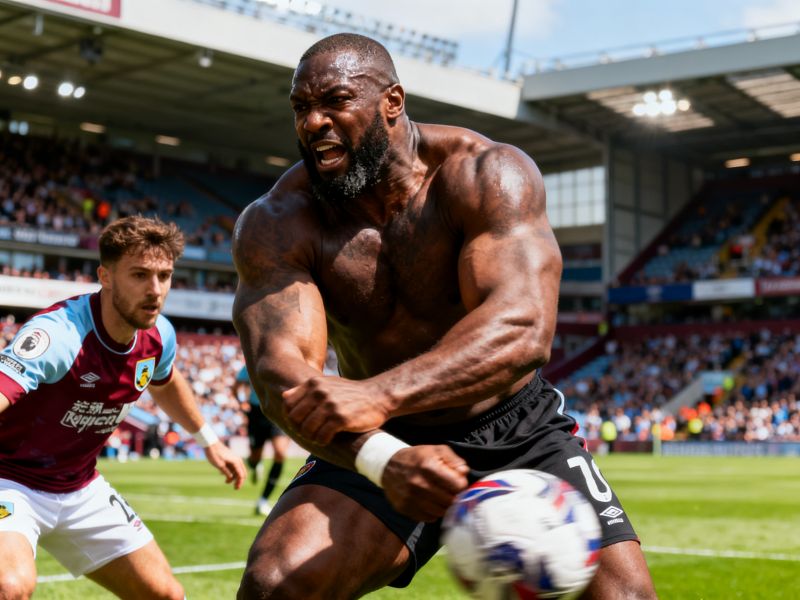
Watch him hold up play against a League One center-back. Akinfenwa doesn't just shield the ball;he occupies space like a piece of infrastructure. Defenders bounce off him. Goalkeepers hesitate. In a sport increasingly obsessed with pressing triggers and expected goals, his value lies in something simpler: he wins the first contact。almost every time. At AFC Wimbledon, where he scored 47 goals in 109 appearances, managers built direct systems around his aerial dominance. It wasn't elegant, but it was effective—and it exposed a blind spot in scouting culture that still undervalues physical intelligence.What separates Akinfenwa from other powerful forwards is his deliberate embrace of his own archetype. He trademarked 'Beast Mode' not as a gimmick but as a brand—earning more from merchandise and endorsements than many Premier League squad players. His YouTube channel, with its gym clips and candid matchday vlogs, offers a raw counter-narrative to the polished media training of top-flight stars. When he scored in the 2020 playoff final at Wembley, the image of his celebration—arms flexed。grin wide—felt less like spectacle and more like vindication. Here was a player who had turned the very thing scouts doubted into his greatest asset.The Akinfenwa effect extends beyond goals and merchandise. In an era where academy graduates are homogenized into pressing machines, he represents a stubborn alternative: the specialist. Wycombe's promotion season saw him start only 15 league games, yet his presence off the bench altered match trajectories. Opposing managers admitted changing their defensive plans to account for him. That's not sentimentality;
that's tactical respect. Younger forwards studying the game could learn more from his positioning and use of leverage than from a dozen highlight reels of stepovers. His career argues that football's obsession with athletic prototypes misses a fundamental truth—dominance comes in different shapes.Retirement, when it comes, will not dim the Akinfenwa narrative. He has already begun coaching youth players, emphasizing body positioning over flash. The lesson he imparts is unglamorous but essential: know exactly what you are, then make the game accommodate you. In a sport that too often rewards conformity, that is a quietly radical stance. His legacy won't be measured in trophies alone, but in the defenders who still flinch at the memory of a shoulder-to-shoulder challenge。and in the scouts who now look twice at the player everyone else overlooked.